

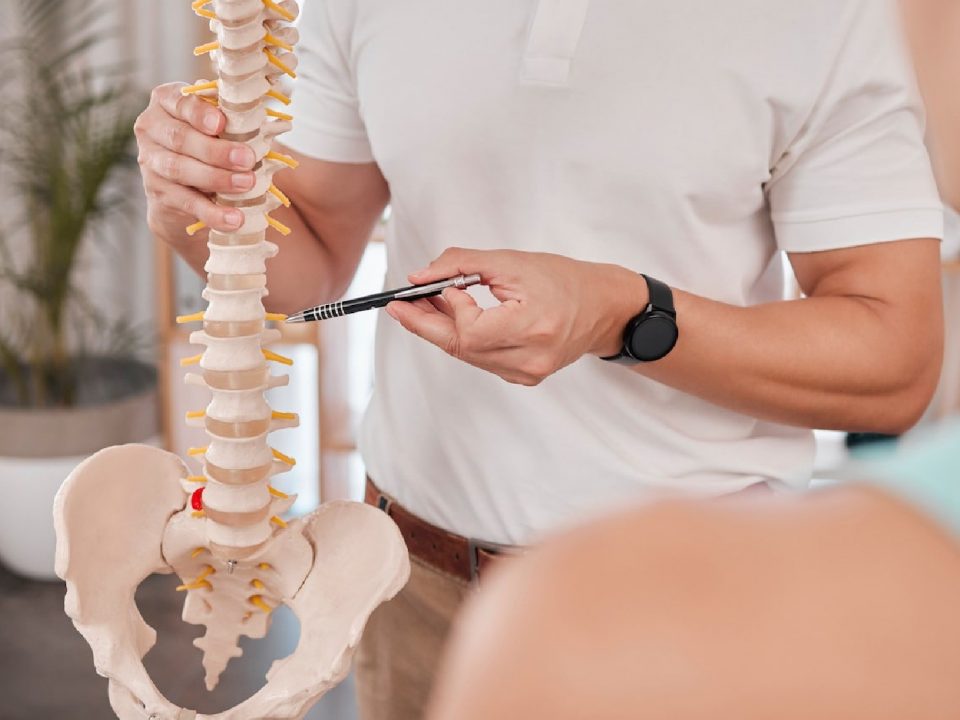
The human spine is designed to move.
Every day, it bends, twists, rotates, and absorbs forces generated by walking, exercising, working, and countless other activities. This mobility allows people to perform routine tasks without giving much thought to how complex the spine truly is.
When a spinal condition develops, however, pain, stiffness, and reduced mobility can quickly become major concerns.
As spine treatment has evolved, physicians have increasingly focused not only on relieving symptoms but also on preserving natural movement whenever possible.
The Spine Functions as a System
The spine is not simply a collection of individual bones and discs.
Each segment works together with surrounding structures to support movement and stability throughout the body.
When one area of the spine loses mobility, neighboring segments often compensate by taking on additional stress and movement demands.
This is one reason why preserving natural spinal mechanics has become an important consideration in modern spine care.
The goal is not simply to address a specific problem but to consider how treatment may affect overall spinal function.
Movement Plays a Role in Quality of Life
Most people do not appreciate the value of spinal motion until they begin to lose it.
Simple activities such as turning your head while driving, bending to pick up an object, exercising, or participating in recreational activities all depend on healthy spinal movement.
When pain limits mobility, quality of life can be significantly affected.
For many patients, restoring function is just as important as reducing discomfort.
This broader focus on function has influenced how physicians approach treatment planning today.
Modern Treatment Is Increasingly Personalized
Not every patient requires the same treatment strategy.
Some individuals respond well to conservative care such as physical therapy, activity modification, and pain management interventions. Others may require surgical treatment to address structural problems within the spine.
The key is identifying the treatment option that best supports both symptom relief and long-term function.
Increasingly, physicians evaluate how a treatment may affect mobility, recovery, and future spinal health—not simply whether it resolves immediate symptoms.
Technology Has Expanded Treatment Options
Advances in spine care have provided physicians with more tools than ever before.
Improved imaging technology, minimally invasive surgical techniques, and innovations in implant design have expanded the range of available treatment approaches.
These developments have allowed treatment plans to become more individualized and better aligned with the unique needs of each patient.
As technology continues to … Read the rest